Addiction is a pervasive and challenging issue that affects millions of people worldwide, often creating a profound sense of isolation and despair. While medical and psychological interventions play crucial roles in recovery, the support offered by religious institutions, particularly churches, can be a significant component of a comprehensive recovery plan. The church’s involvement in addiction recovery provides not just spiritual solace but also practical support, fostering an environment of healing and transformation.
Spiritual Support and Community
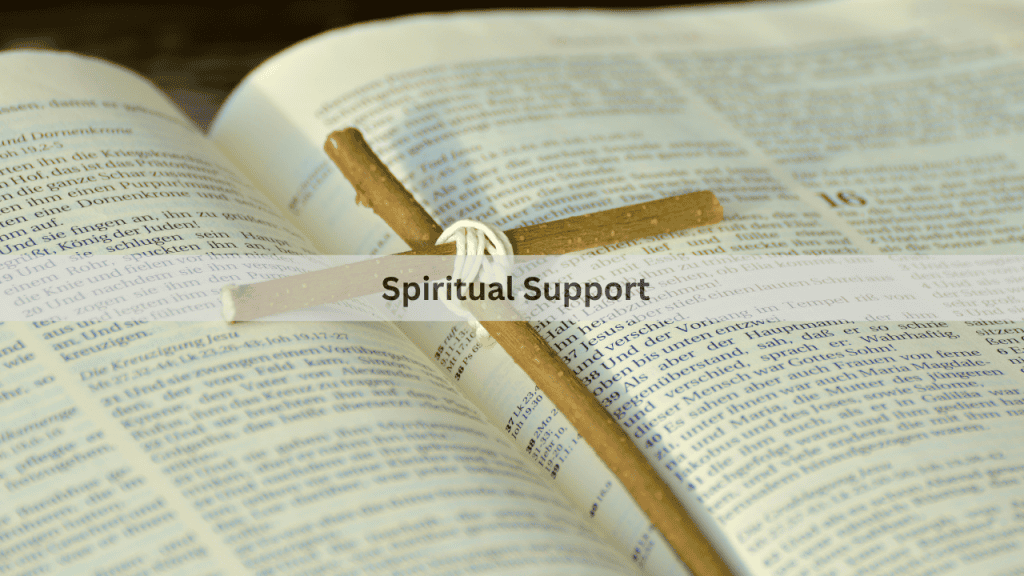
One of the primary ways churches contribute to addiction recovery is through the provision of spiritual support. Many individuals struggling with addiction experience a deep sense of guilt, shame, and hopelessness. The church offers a space where individuals can seek forgiveness, find solace, and reconnect with their faith. This spiritual guidance can help individuals reframe their struggles within a broader context of purpose and redemption, offering a renewed sense of hope and motivation to pursue recovery.
Furthermore, churches often provide a sense of community that is invaluable for those in recovery. The isolation felt by those battling addiction can be alleviated through the supportive networks offered by church congregations. Regular participation in church activities and support groups fosters relationships and accountability, which are crucial for maintaining sobriety. The sense of belonging and acceptance that comes from being part of a faith community can be a powerful antidote to the loneliness and alienation associated with addiction.
Practical Support and Resources
In addition to spiritual and emotional support, many churches actively engage in practical measures to aid addiction recovery. This support can range from organizing support groups and recovery meetings to providing resources such as counseling services, rehabilitation referrals, and financial assistance for treatment programs. For example, some churches have dedicated recovery ministries that focus on addressing addiction issues through structured programs, such as Celebrate Recovery, which combines Christian principles with the 12-step recovery model.
Churches also play a role in raising awareness about addiction and combating stigma. By openly discussing addiction and recovery within their congregations, churches can help to normalize the conversation around these issues, encouraging individuals to seek help without fear of judgment. This advocacy can lead to increased access to necessary resources and services, as well as fostering a more inclusive and supportive community environment.
Holistic Healing
The church’s role in addiction recovery is often centered on a holistic approach, addressing the physical, emotional, and spiritual aspects of healing. This perspective recognizes that recovery is not just about abstaining from substance use but also about rebuilding one’s life and well-being. Churches provide counseling and support that address underlying issues such as trauma, mental health challenges, and relational difficulties, helping individuals to heal and grow in all areas of their lives.
Additionally, faith-based recovery programs often emphasize the development of virtues such as forgiveness, gratitude, and resilience. These principles can strengthen individuals’ resolve and provide them with tools to navigate the challenges of recovery. By integrating these values into their recovery journey, individuals may find a greater sense of purpose and direction, which can be instrumental in sustaining long-term sobriety.
The church’s role in supporting addiction recovery extends beyond mere spiritual guidance, encompassing practical support, community building, and holistic healing. Through its commitment to addressing the multifaceted nature of addiction, the church helps to create an environment where individuals can find hope, support, and lasting change. By fostering a compassionate and inclusive atmosphere, churches play a vital role in the journey towards recovery, demonstrating that faith and community can be powerful allies in the fight against addiction.