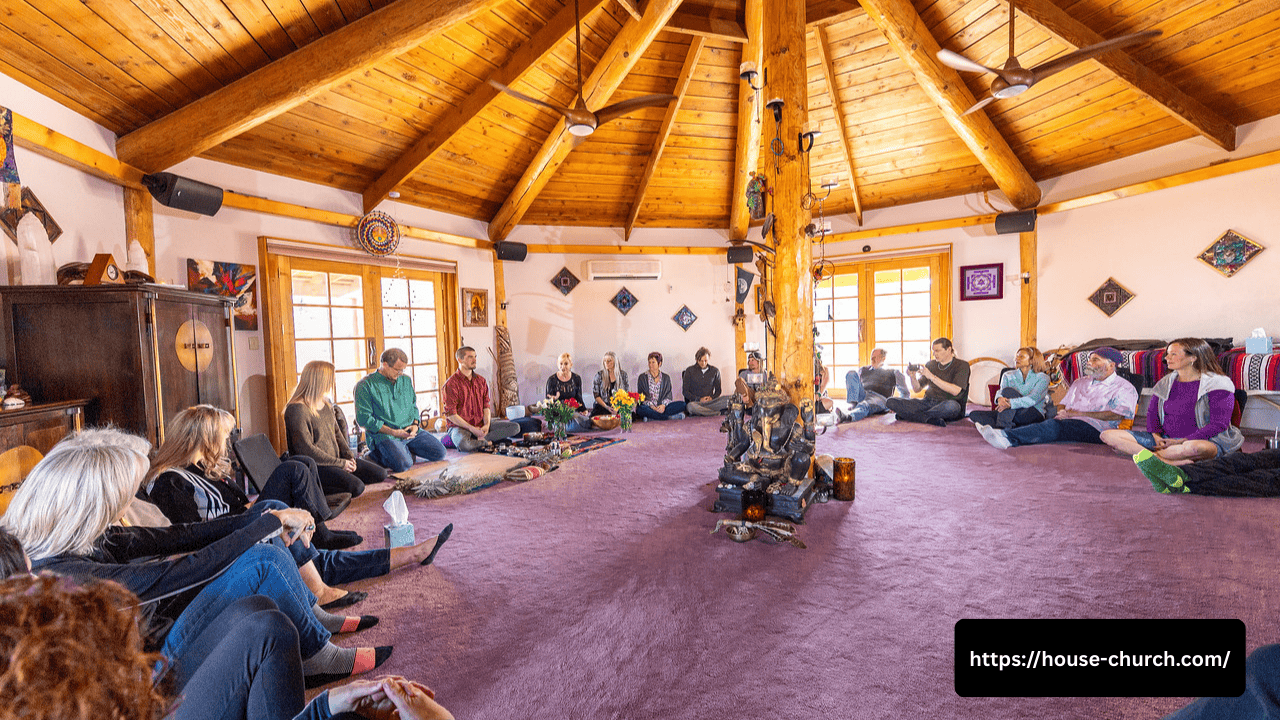
Addiction is a relentless force that can shatter lives, relationships, and communities. Yet within the heart of every church lies a message of hope—grace and redemption. For countless individuals seeking to overcome addiction, the church stands as a sanctuary where healing begins, shame is lifted, and lives are restored. Through compassionate ministries, spiritual guidance, and unwavering support, the church embodies the love and forgiveness that are essential to recovery.
The Message of Grace
One of the most powerful aspects of the church in addiction recovery is its message of grace. Those struggling with addiction often carry deep burdens of guilt and shame. They may feel unworthy of love or redemption. In the church, however, they encounter a message that tells them they are not beyond saving. Grace—God’s unmerited favor—offers the opportunity for a fresh start, regardless of past mistakes.
Through sermons, scripture, and personal testimonies, churches reinforce the idea that everyone is capable of change. The story of the Prodigal Son, the healing of the demon-possessed man, and other biblical narratives serve as reminders that no one is beyond the reach of God’s mercy. This spiritual encouragement can ignite hope and inspire a commitment to recovery.
Redemption Through Faith and Community
Redemption is more than just forgiveness; it’s a transformation of the heart, mind, and spirit. Churches support this transformation by creating environments where individuals can grow in their faith and find renewed purpose. Worship services, Bible studies, and prayer groups help nurture spiritual development, encouraging individuals to replace destructive habits with positive, faith-driven practices.
Community is another essential element of redemption. Addiction isolates, but the church gathers. Within the church, individuals in recovery find fellowship—a network of people who believe in them, pray for them, and walk alongside them through the ups and downs of recovery. This sense of belonging is critical in maintaining sobriety and rebuilding self-worth.
Practical Ministries of Support
Beyond spiritual encouragement, many churches actively engage in addiction recovery through specialized ministries and outreach. Programs such as Celebrate Recovery, faith-based support groups, and pastoral counseling provide structured environments for individuals to work through their struggles. These ministries often include steps for acknowledging pain, seeking forgiveness, making amends, and finding accountability.
Churches may also offer practical assistance such as food programs, housing support, job placement, and connections to professional treatment services. These efforts address the physical and emotional needs of individuals in recovery, demonstrating that the church cares about every aspect of a person’s well-being.
A Sanctuary of Hope
For those battling addiction, the church offers more than just a place of worship—it is a sanctuary of hope. It is a place where brokenness meets compassion, where failure meets forgiveness, and where despair gives way to divine possibility. Through grace and redemption, the church helps individuals rediscover who they are in Christ: valued, loved, and capable of living a life free from addiction.
Conclusion
The church’s role in addiction recovery is profound. By embodying grace and guiding individuals toward redemption, it becomes a sacred space for healing. In the sanctuary of faith, those suffering from addiction find not only support and structure but also the transformative love of God that makes all things new.