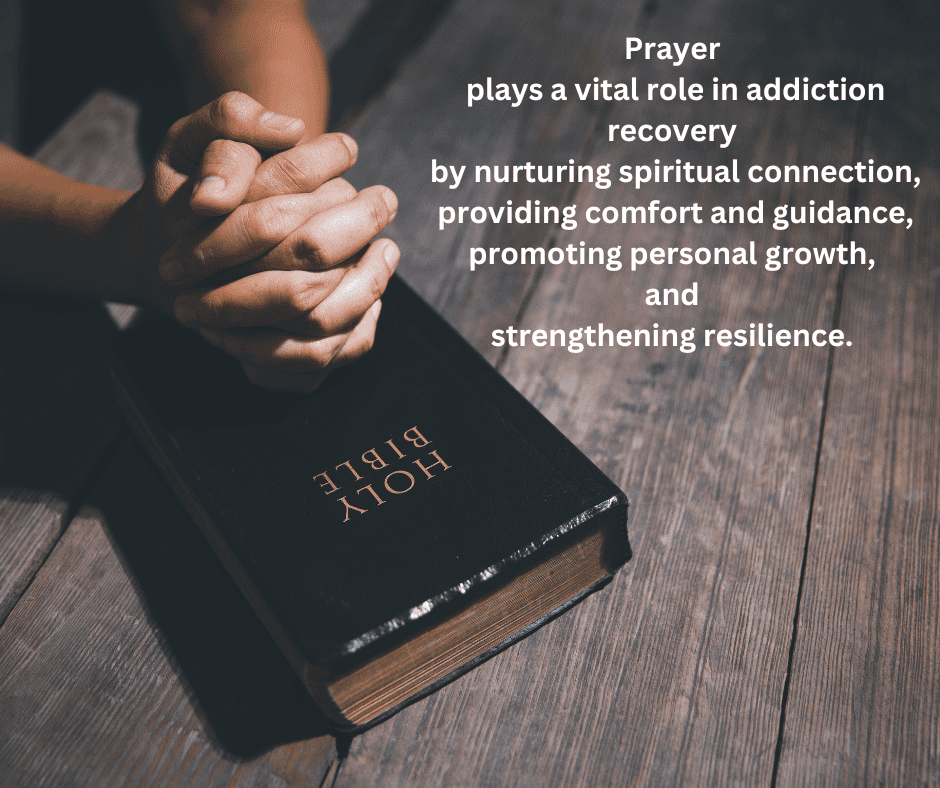
Prayer holds a profound significance in various aspects of life, including recovery programs aimed at overcoming addiction. For many individuals grappling with substance abuse or other addictive behaviors, prayer serves as a transformative tool that fosters inner strength, spiritual connection, and a sense of purpose. Here, we delve into how prayer manifests within recovery programs and its impact on individuals seeking healing and renewal.
The Role of Prayer in Recovery Programs
Prayer forms a cornerstone of many recovery programs, especially those rooted in spiritual or faith-based approaches. It serves multiple crucial functions:
- Spiritual Connection and Guidance: Prayer provides individuals with a direct line of communication with their higher power, whatever that may be (God, the universe, etc.). It cultivates a sense of spiritual connection and offers guidance through difficult moments in the recovery journey.
- Source of Comfort and Serenity: Addiction recovery can be emotionally turbulent, with individuals often experiencing feelings of guilt, shame, anxiety, or hopelessness. Prayer offers a source of comfort, peace, and serenity, providing solace during times of emotional distress.
- Building Inner Strength and Resilience: Engaging in prayer helps individuals cultivate inner strength and resilience. It encourages them to surrender their struggles, fears, and uncertainties to a higher power, fostering a sense of empowerment and determination to overcome addiction.
- Supporting Self-Reflection and Personal Growth: Prayer encourages self-reflection and introspection, allowing individuals to examine their thoughts, behaviors, and motivations. This process of self-examination promotes personal growth and facilitates the development of healthier coping mechanisms.
Incorporating Prayer into Recovery Programs
Recovery programs that incorporate prayer typically integrate it into various aspects of treatment:
- Morning and Evening Reflections: Many programs start and end each day with group prayers or personal reflections, setting a positive tone and encouraging participants to focus on their recovery goals.
- Group Sessions: Prayer often features in group therapy sessions, where participants come together to share their experiences, support one another, and collectively seek strength from their spiritual beliefs.
- Individual Practice: In addition to group settings, individuals are encouraged to engage in private prayer as part of their daily routine. This personal practice allows for deeper spiritual connection and personal reflection.
- Community Support: Prayer can also foster a sense of community among participants and staff members within the recovery program. It reinforces the idea that recovery is a collective journey supported by faith and mutual encouragement.
Benefits of Prayer in Addiction Recovery
The benefits of incorporating prayer into addiction recovery programs are numerous:
- Enhanced Emotional Well-Being: Prayer promotes emotional well-being by reducing stress, anxiety, and depressive symptoms commonly associated with addiction recovery.
- Improved Sense of Purpose: It helps individuals discover or reaffirm their sense of purpose, providing motivation to stay committed to sobriety and personal growth.
- Strengthened Resilience: Regular prayer builds resilience by teaching individuals to rely on their faith and spiritual beliefs during challenging times, thereby reducing the risk of relapse.
- Holistic Healing: Integrating prayer into recovery fosters holistic healing—addressing not only the physical aspects of addiction but also the emotional, mental, and spiritual dimensions.
Prayer plays a vital role in addiction recovery by nurturing spiritual connection, providing comfort and guidance, promoting personal growth, and strengthening resilience. Whether as part of a structured program or through personal practice, prayer empowers individuals to navigate the complexities of addiction recovery with faith, hope, and determination. By embracing prayer, individuals can cultivate a deeper understanding of themselves, their recovery journey, and their connection to a higher power, facilitating lasting healing and transformation.